Bangladesh’s Wild Mangrove Heart
Welcome to Visit Bangladesh, your gateway to the untamed beauty of the Bengal Delta! As of October 2025, with tourism rebounding post-monsoon, the Sundarbans stands as one of the world’s most captivating eco-destinations. This UNESCO World Heritage Site, spanning over 10,000 square kilometers across Bangladesh and India, is the planet’s largest mangrove forest—a labyrinth of twisting rivers, dense greenery, and elusive wildlife. Home to the majestic Royal Bengal Tiger, it’s not just a nature reserve; it’s a living testament to biodiversity and resilience against climate change.
In this comprehensive guide, we’ll dive deep into planning your Sundarbans adventure for late 2025 or early 2026. Whether you’re a wildlife enthusiast, an eco-traveler, or seeking a serene escape from Dhaka’s hustle, we’ve got itineraries, tips, and insider secrets to make your trip unforgettable. Ready to set sail? Let’s navigate the mangroves!
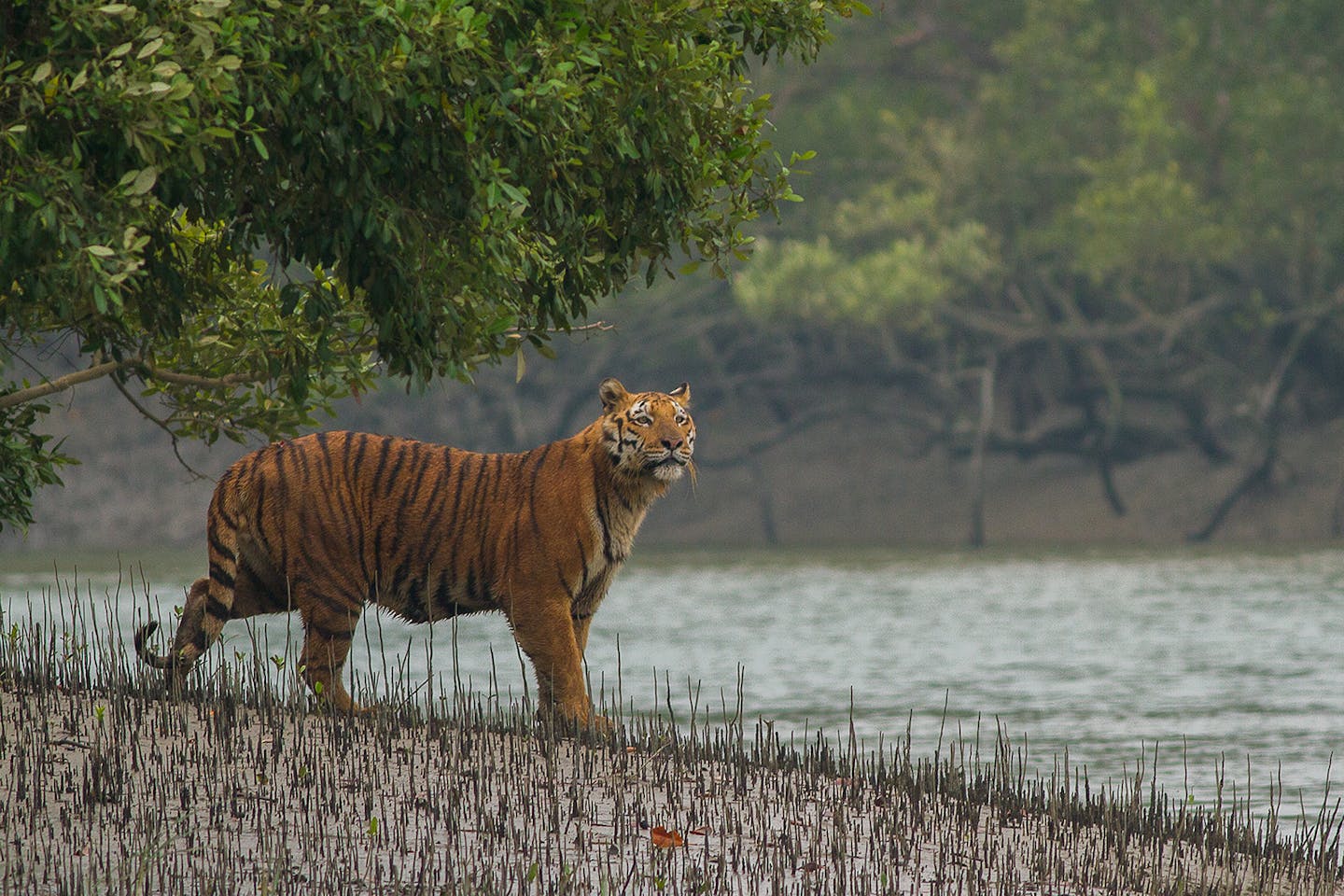
A Royal Bengal Tiger prowls the misty mangroves of the Sundarbans, embodying the forest’s raw power and mystery.
What Makes the Sundarbans a Must-Visit in 2025?
The Sundarbans isn’t your typical beach getaway—it’s a dynamic ecosystem where the Ganges, Brahmaputra, and Meghna rivers converge into a tidal maze. Covering about 6,000 square kilometers in Bangladesh alone, this forest acts as a natural shield against cyclones, supporting over 400 bird species, 120 fish varieties, and iconic mammals like the Bengal tiger (estimated at 114 in Bangladesh as of recent censuses). Beyond tigers, spot spotted deer, estuarine crocodiles, and playful otters amid sundari trees that thrive in brackish waters.
In 2025, expect enhanced conservation efforts, including new eco-trails and community-led tours, making it more accessible yet sustainable. It’s a perfect blend of adventure and introspection, with recent reports highlighting increased tiger sightings due to anti-poaching patrols.
Best Time to Visit the Sundarbans in 2025-2026
Timing is everything in the Sundarbans, where weather dictates both comfort and wildlife activity. Avoid the monsoon (June-September) when heavy rains flood trails and boats face rough seas. Here’s a seasonal breakdown:
| Season | Months | Weather | Pros | Cons | Wildlife Spotting |
|---|---|---|---|---|---|
| Winter (Peak) | November-February | Cool (15-25°C), dry | Ideal for boat safaris; high tiger/deer sightings; fewer mosquitoes | Crowded; book ahead | Excellent—tigers near water sources |
| Spring (Shoulder) | March-April | Warm (25-35°C), blooming flora | Less crowded; vibrant birdlife; budget-friendly | Rising heat/humidity | Good—migratory birds peak |
| Pre-Monsoon | May | Hot (30-40°C), occasional storms | Quiet trails; adventurous vibes | Intense heat; early rains possible | Moderate—animals seek shade |
| Monsoon | June-September | Rainy, humid (25-35°C) | Lush greenery; fewer tourists | Flooded paths; boat cancellations | Low—animals retreat inland |
For 2025, November to March remains prime, with February offering the best balance of mild weather and active wildlife. Pro tip: Check for festivals like the Sundarbans Honey Harvest (late April) for cultural immersion.
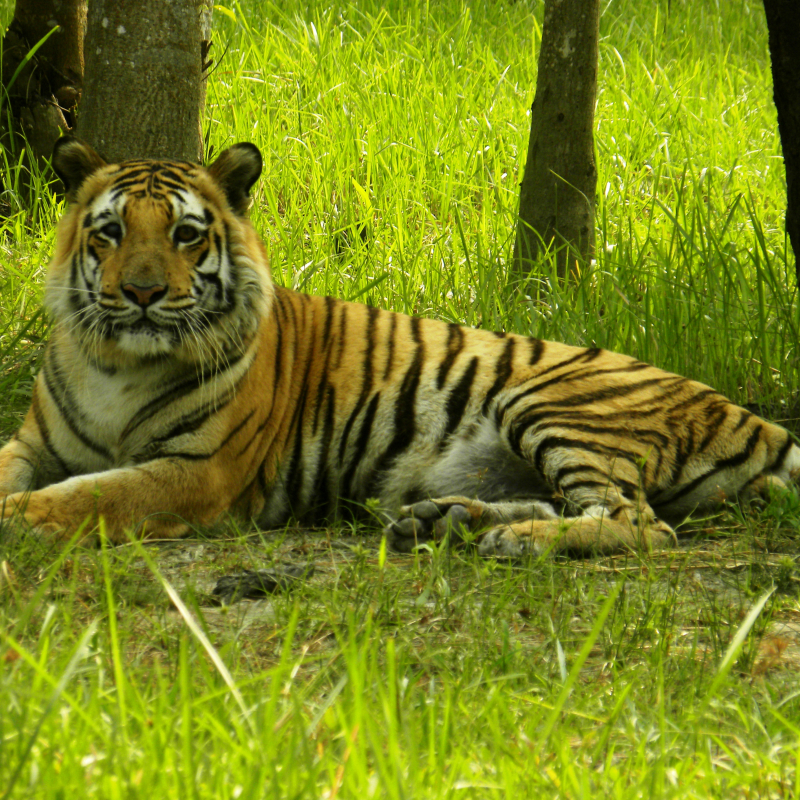
A Royal Bengal Tiger rests in the lush undergrowth of the Sundarbans, showcasing the forest’s dense, verdant canopy.
How to Get to the Sundarbans from Dhaka
Reaching the Sundarbans is an adventure in itself—part road, part river. Start from Dhaka (most tours depart here):
- By Train/Bus to Khulna: Take a 6-8 hour scenic train (e.g., Sundarban Express, ~BDT 300) or AC bus (Hanif Enterprise, ~BDT 800) to Khulna, the gateway city.
- Ferry to Mongla or Hiron Point: From Khulna’s Rupsha Ghat, board a 2-hour ferry (~BDT 100) to Mongla Port.
- Boat to Core Zones: Join a guided cruise from Mongla to entry points like Dublar Char or Kotka (1-3 hours, included in packages).
Total travel time: 10-12 hours. For luxury, opt for seaplanes from Dhaka (~USD 200). Always book permits via the Forest Department in advance—essential for entry.
Sample 3-Day Sundarbans Itinerary for 2025
A 3-day, 2-night tour is the sweet spot for immersion without exhaustion. Here’s a customizable plan for a group of 4-6 (costs ~BDT 15,000-25,000/person, all-inclusive):
Day 1: Arrival and River Cruise
- Morning: Depart Dhaka at dawn; arrive Khulna by noon. Transfer to your eco-boat.
- Afternoon: Sail into the mangroves via the Bhola River. Spot river dolphins and kingfishers en route to Karamjal Wildlife Center for a guided forest walk—keep eyes peeled for monkeys and deer.
- Evening: Anchor at a quiet creek for sundown views and a fresh seafood dinner (try hilsa fish curry). Stargaze under unpolluted skies.
Day 2: Deep into Tiger Territory
- Dawn Safari: Early boat ride to Kotka Beach for paw-print tracking and birdwatching (over 300 species, including masked finfoot).
- Midday: Visit the ancient Nilkomol Honey Collector Camp—learn about traditional harvesting while tasting wild honey.
- Afternoon: Trek through Hiron Point trails; high chance of tiger or crocodile sightings.
- Evening: Folklore session with local guides around a bonfire—hear tales of Bonbibi, the forest goddess.
Day 3: Conservation and Departure
- Morning: Explore Dhamrai Char for otter spotting and mangrove planting (join a community reforestation drive).
- Afternoon: Return cruise to Mongla; optional village visit for handicrafts.
- Evening: Back to Khulna/Dhaka, reflecting on your wild escapade.
Extend to 4 days for overnight forest stays or add-ons like bird photography workshops.

The elusive Bengal Tiger emerges from the Sundarbans’ tangled roots, a rare glimpse into its secretive world.
Top Things to Do and Wildlife Spotting Tips
The Sundarbans thrives on slow travel—here’s how to maximize magic:
- Tiger Safaris: Use binoculars for distant views; tigers swim between islands, so scan shorelines at dawn/dusk.
- Mangrove Kayaking: Paddle narrow creeks for intimate encounters with fiddler crabs and mudskippers.
- Birdwatching: Log masked lapwings or white-bellied sea eagles—November peaks migration.
- Cultural Immersion: Visit Bhitarkanika-style villages for folk songs and shrimp farming demos.
Spotting Tips: Hire certified guides (mandatory); wear earth tones; stay silent on deck. Only 30% of visitors see a tiger—patience pays off! Respect zones: No disembarking in core areas to protect habitats.
Sustainable Travel: Leave Only Footprints
As a frontline against sea-level rise, the Sundarbans needs mindful visitors. Choose operators with solar-powered boats and zero-plastic policies. Support locals by buying fair-trade honey and joining anti-poaching funds. Avoid single-use items—bring reusables. In 2025, look for “Green Key” certified tours promoting carbon offsets.

Iconic Royal Bengal Tiger in the Sundarbans, highlighting the urgent need for conservation in this vital ecosystem.
Where to Stay, Eat, and Budget Breakdown
- Accommodations: Eco-resorts like Sundarban Mangrove Forest Resort (rustic tents, ~BDT 5,000/night) or luxury cruises (Belal’s Tiger Camp, ~BDT 10,000/person).
- Cuisine: Fresh river prawns, crab curries, and vegetable bhunas—vegetarian options abound. Try doi maach (yogurt fish) for a local twist.
Estimated Costs for 3 Days (per person, mid-range):
| Item | Cost (BDT) |
|---|---|
| Transport (Dhaka-Khulna round-trip) | 1,500 |
| Boat Tour & Permits | 10,000 |
| Meals & Stay | 5,000 |
| Guide/Activities | 2,000 |
| Total | 18,500 (~USD 155) |
Budget travelers: Join group tours to slash costs by 30%.
Final Thoughts: Why the Sundarbans Will Steal Your Heart
The Sundarbans isn’t just a destination—it’s a reminder of nature’s wild pulse, where every ripple hides a story. In 2025, as Bangladesh’s tourism surges toward 1 million arrivals, this mangrove marvel offers solace amid global chaos. Pack your sense of wonder, and let the tigers’ realm transform you.
Planning your trip? Book eco-tours via our partners at VisitBangladesh.com.bd, or drop a comment below for personalized itineraries. What’s your dream Sundarbans moment—tiger spotting or sunset cruises? Share and tag #VisitBangladesh!


Author: Shomon Robie
CEO of VisitBangladesh